
Returning Plant and Equipment to Service After Prolonged Inactivity
Purpose of this Notice
When plant, machinery and building services are left idle for extended periods, their condition can change in ways that are not immediately obvious. Moisture can accumulate, components may corrode or seize, lubricants can degrade, and control systems may become unstable. Restarting equipment without suitable preparation can therefore result in damage, service disruption or serious safety incidents.
This advisory note outlines practical precautions to support the safe return to service of machinery, mechanical systems and building services within commercial properties following a prolonged shutdown.
This guidance is provided for general information only. It does not replace statutory requirements, manufacturer instructions, maintenance manuals or industry standards. Prior to re-starting machinery/systems, a documented risk assessment should be completed and only competent, authorised personnel should undertake the work.
1. General Re-starting Principles
Before any system is returned to service:
• Establish how long the equipment has been inactive and under what conditions.
• Identify systems that were fully isolated, partially isolated or left energised.
• Review relevant operating manuals, maintenance records and statutory requirements.
• Ensure safe access, adequate lighting and ventilation.
• Confirm emergency arrangements and communication systems are operational.
• Plan a staged recommissioning rather than a single full restart.
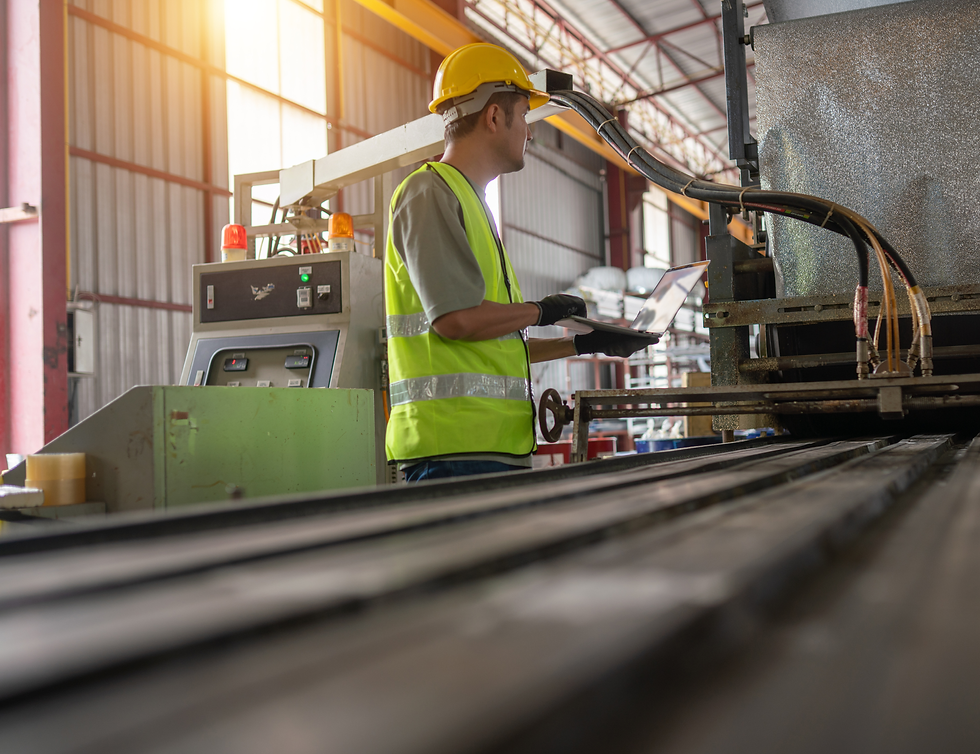
2. Machinery and Process Equipment
Mechanical equipment is particularly vulnerable following extended inactivity due to corrosion, loss of lubrication and component seizure.
Before start-up:
• Isolate all energy sources and apply lock-off procedures.
• Remove dust, debris and contamination from accessible areas.
• Inspect for corrosion, leaks, damage or signs of deterioration.
• Check lubrication, coolant and oil levels.
• Examine electrical connections for looseness or damage.
• Verify correct operation of control devices, interlocks and emergency stops while isolated.
• Ensure moving components can rotate or travel freely and lubricate where required.
• Confirm settings prevent unintended movement on energisation.
• Refit guards and protective covers.
• Reintroduce power gradually and test functions sequentially.
• Monitor operation for abnormal noise, vibration, odours or overheating.
• Reinspect the equipment after initial operation to confirm stable performance.

3. Passenger Lifts
Passenger lifts should not be returned to service without appropriate functional checks.
Before use:
• Ensure landing and car doors are secure, aligned and operating correctly.
• Confirm calls register and the lift responds at all floors.
• Verify correct car levelling at each landing.
• Test alarms and communication systems.
• Observe lift operation for unusual vibration or noise.
Any concerns should be referred to a competent lift service contractor before passenger use.
4. Air Conditioning and Comfort Cooling Systems
HVAC systems left inactive may suffer from contamination, moisture ingress or environmental damage.
Before restarting:
• Remove temporary coverings from plant and equipment.
• Inspect indoor and outdoor units for corrosion, damage or obstruction.
• Clear debris from condenser units.
• Check refrigerant condition and system pressure where indicators are provided.
• Inspect drainage systems and remove any standing water.
• Confirm drains are clear and free-flowing.
• Clean or replace air filters.
• Ensure grilles and air paths are unobstructed.
• Ventilate internal spaces prior to start-up.
• Start systems at low load and allow gradual stabilisation.
• Adjust temperature setpoints incrementally.
• Confirm correct seasonal operating mode.
5. Local Exhaust Ventilation (LEV)
LEV systems may deteriorate during periods of inactivity.
A pre-use inspection should include:
• Checking for signs of water ingress or dampness.
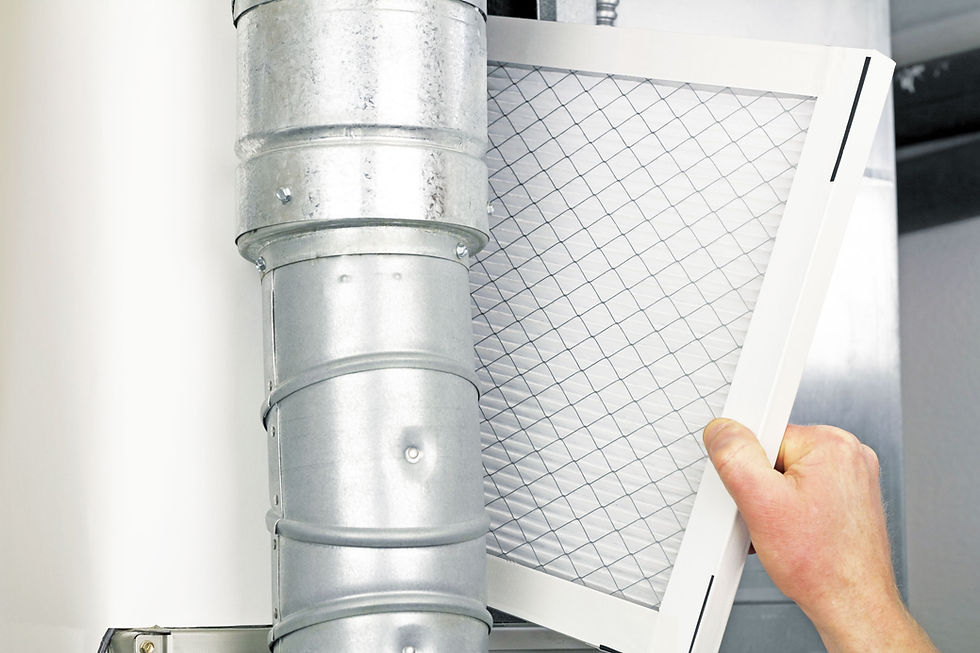
• Inspecting filters for residue build-up or caking.
• Confirming fans are secure and rotate freely.
• Looking for evidence of pest or vermin activity.
• Ensuring ductwork and components are intact and unobstructed.
Any defects should be addressed before operational use.
6. Hot and Cold Water Services
Water systems that remain static during shutdown present an increased risk of microbiological growth, including Legionella.
Before reinstatement:
• Establish whether systems were drained or left charged.
• Carry out a Legionella risk assessment.
• Implement flushing, temperature control and disinfection measures.
• Seek advice from a competent water hygiene specialist where required.

7. Pressure Systems
Steam Systems
Extended shutdowns may allow condensate to accumulate within pipework, increasing the risk of water hammer.
To reduce risk:
• Ensure systems are fully drained while cold.
• Pay particular attention to low points, dead legs and changes in elevation.
• Confirm steam traps are functional and maintained.
• Use isolating valves to control the warm-up sequence.
• Introduce steam gradually to allow controlled temperature rise.
Compressed Air Systems
Before operation:
• Ensure compressors are adequately ventilated.
• Check compressor oil levels.
• Drain condensate from receivers, dryers and pipework.
• Inspect and clean filters.
Hot Water Heaters
• Ensure all trapped air is fully vented before operation.
8. Safety Systems and Final Verification
Before full operational use:
• Test all protective devices, interlocks and safety systems under normal conditions.
• Confirm alarms and automatic shutdowns function correctly.
• Rectify all identified defects before continued service.
A methodical and controlled recommissioning process significantly reduces the risk of damage, downtime and safety incidents.

9. Electrical Systems and Installations
Electrical installations can be adversely affected by long periods without load. Sudden re-energisation may introduce voltage disturbances capable of damaging both building infrastructure and connected equipment.
To manage these risks:
• Ventilate and gently warm spaces to reduce condensation.
• Switch off and unplug equipment before restoring supply.
• Isolate final circuits and distribution boards where practicable.
• Restore power progressively, starting at the main supply.
• Re-energise distribution boards before individual circuits.
• Switch circuits on one at a time.
• Reconnect and energise equipment once the electrical system has stabilised.
• Allow sufficient time for emergency lighting and standby systems to recharge and self-test.
Always follow site-specific electrical procedures and manufacturer guidance.
Carn Engineering provides independent engineering inspection services in support of statutory and duty-holder obligations. Our inspection activities cover equipment and systems subject to LOLER, PSSR, PUWER, COSHH, WAHR and EAWR requirements, helping asset owners and facilities managers demonstrate compliance and manage risk through objective, third-party assessment. All inspections are undertaken independently of maintenance, repair or recommissioning activities, ensuring impartial technical assurance throughout the lifecycle of plant and equipment. Please contact info@carnengineering.com.
You can download this report in PDF format below.


Comments